
Tile Crack Repair & Structural Prevention: Skirting Expansion Solution
Clients:
Real Estate Agent
Category:
Tile, Floor Restoration
Services:
Tile Crack Repair, Structural Prevention, On-site Colour Matching
Date:
25/11/2025
Seamless Tile Repair with Structural Prevention
Precision colour matching ensures a natural and consistent pattern.
Custom fillers recreate the original shape and texture of the tile surface.
Additional structural correction prevents future cracking.
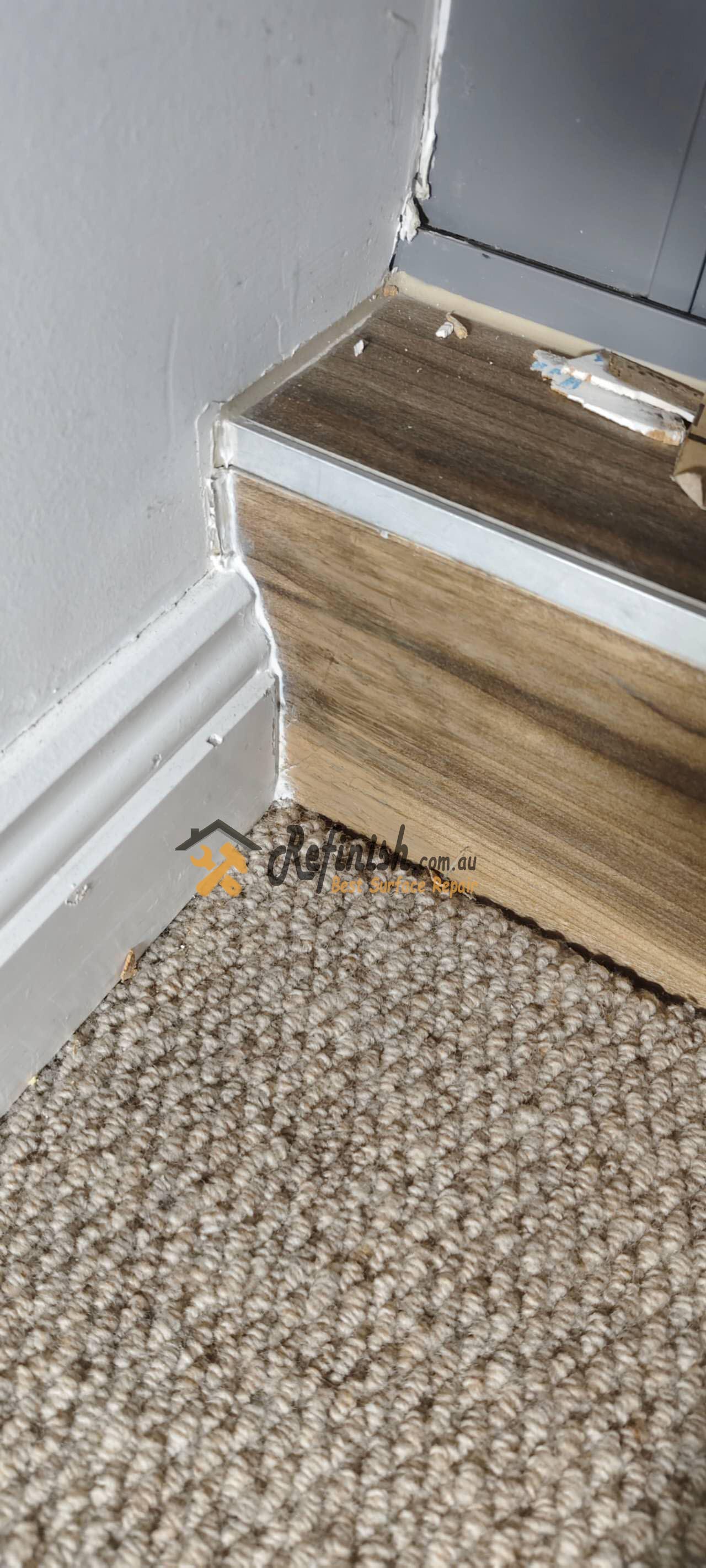
Tile Cracked Due to Skirting Expansion
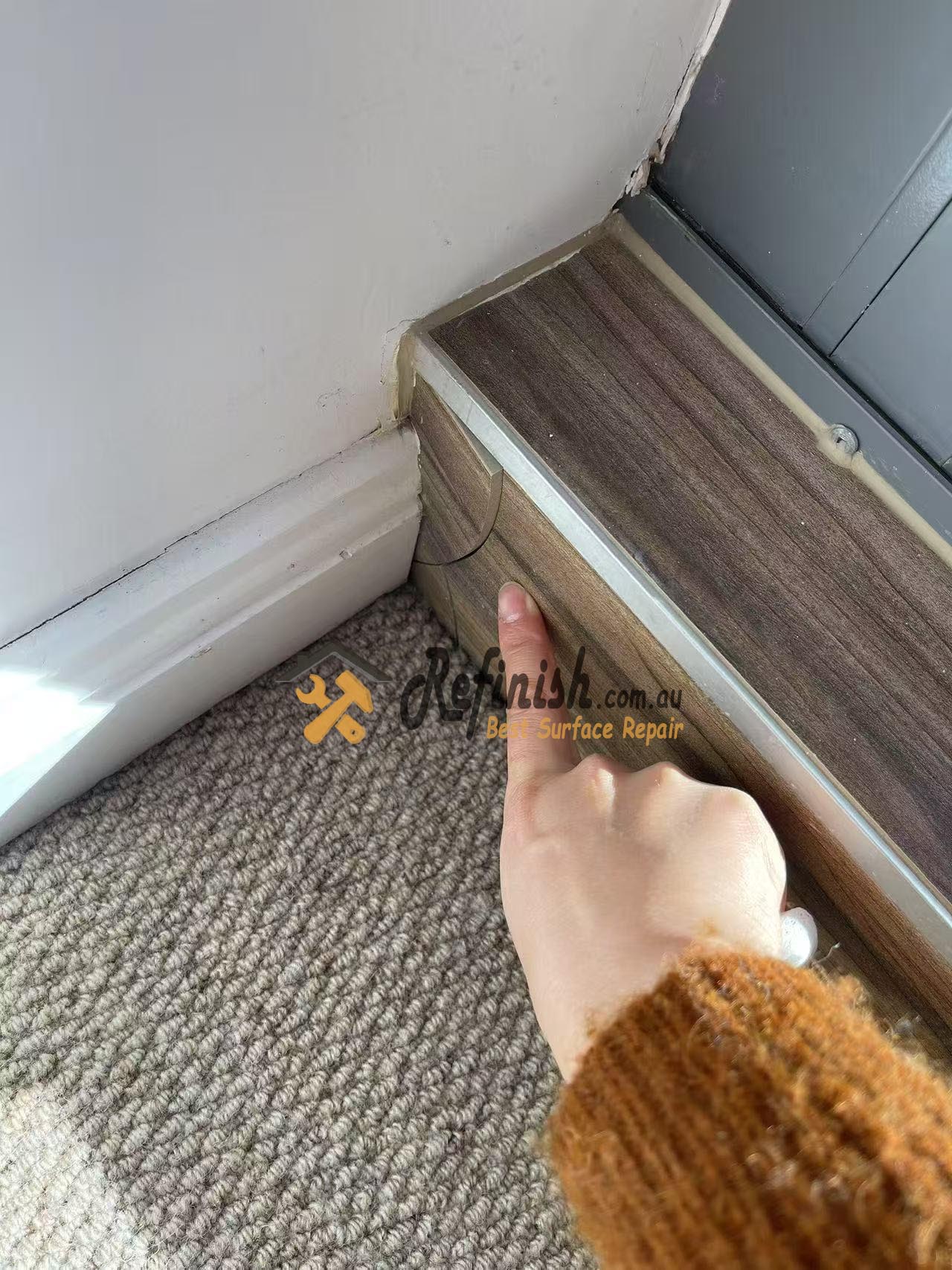
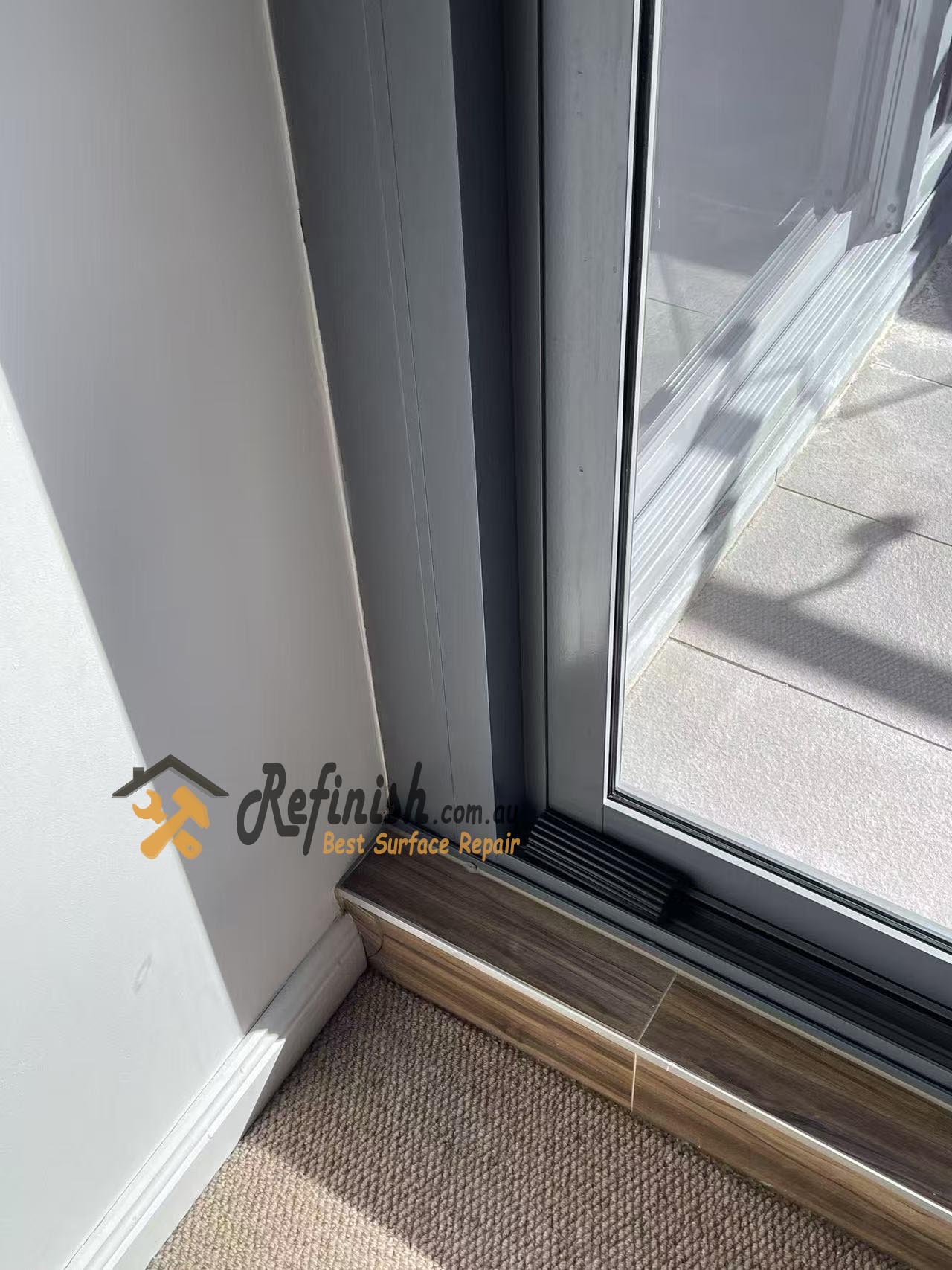
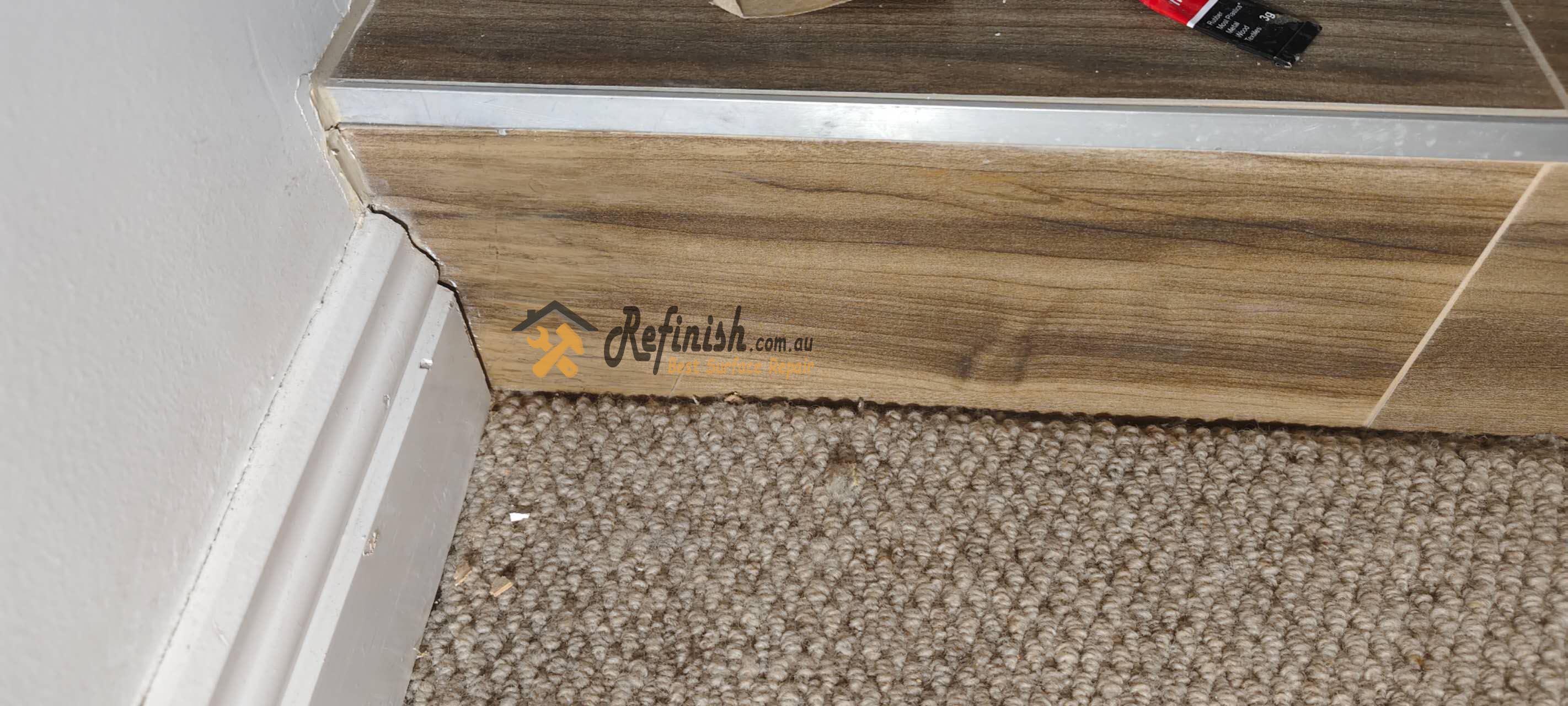
A real estate agent we work closely with sent photos of a cracked floor tile. She could not find a matching replacement tile and asked whether restoration was possible. The crack was caused by thermal expansion of the skirting board, which had been installed without a gap and pushed against the tile during warm weather.
- No matching replacement tile available.
- Crack extended across the surface and was highly visible.
- Skirting expansion continued to apply pressure.
- Repair must blend perfectly to avoid patch marks.
Our Repair & Prevention Process
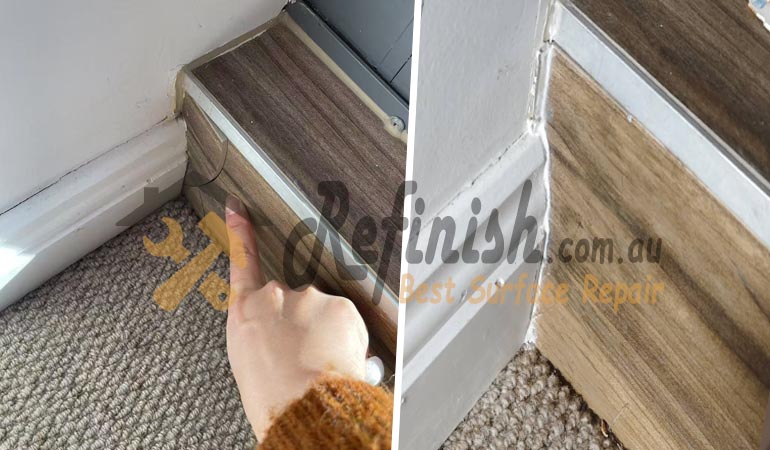
We removed loose fragments and stabilised the cracked section.
Colour-matched fillers and micro-texturing recreated the tile’s original appearance.
The repaired area was polished for uniform reflection and finish.
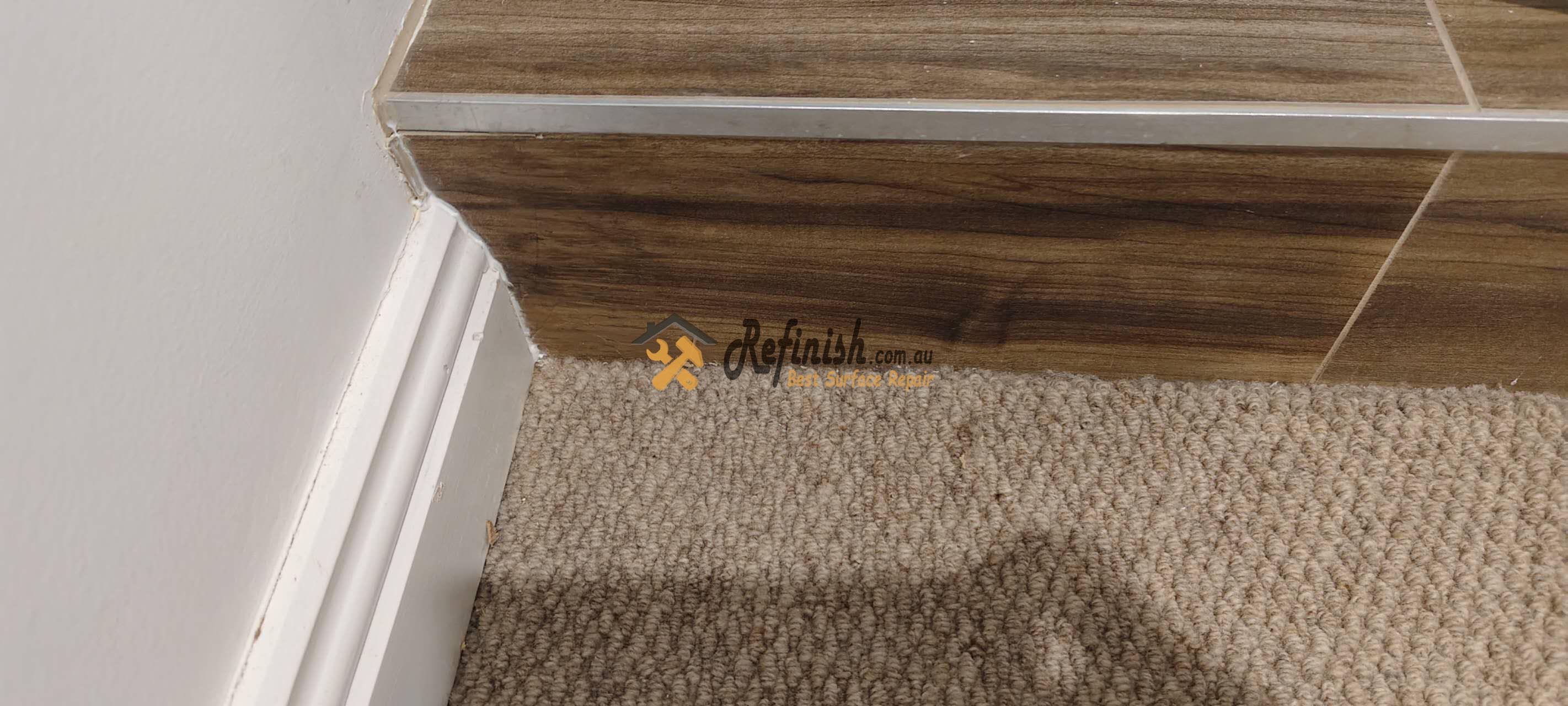
We trimmed a small section of the skirting board to introduce a proper expansion gap.
A flexible sealant was applied between tile and skirting to permanently prevent future cracking.
The real estate agent sent us photos before even asking if it was fixable — she assumed it probably wasn’t. The crack ran cleanly across the tile face and extended into the grout line, and she had already confirmed with two tile suppliers that the product was discontinued and no match was available.
What made this case more interesting than a straightforward chip repair was the cause. The skirting board had been installed hard against the tile with no expansion gap. During warmer months, the board expanded, applied lateral pressure, and the tile eventually gave way. Filling the crack without addressing that underlying pressure would have meant the repair failing within a season.
We repaired the tile surface first, then trimmed a narrow section from the base of the skirting board to introduce a proper expansion gap, and finished with a flexible sealant at the joint. The agent signed off on the result the same afternoon. It was the kind of job where the structural fix was almost more important than the cosmetic one — the visible crack was the symptom, not the problem.